- Free Shipping in AP & Telangana


If you are searching for the best Ayurvedic medicine for diabetes, you may find many herbal products and traditional remedies online. But choosing a diabetes-support product should not be based only on marketing claims.
There is no single Ayurvedic medicine that is best for every person with diabetes. Diabetes management depends on the type of diabetes, blood glucose levels, medications, diet, physical activity, age, existing health conditions and individual requirements.
Ayurvedic approaches may be considered as a complementary part of diabetes care. However, Ayurvedic or herbal products should not be used as a replacement for prescribed diabetes medicines or insulin.
Quick Answer: What Is the Best Ayurvedic Medicine for Diabetes?
There is no one Ayurvedic medicine that is universally best for diabetes. Some Ayurvedic herbs and formulations are traditionally used to support metabolic and blood sugar health, but their effectiveness and safety can vary depending on the ingredient, formulation, dosage and individual health condition.
People with diabetes should discuss any new Ayurvedic or herbal supplement with their doctor or qualified healthcare professional, particularly if they already take diabetes medicines.
The World Health Organization recommends a combination of healthy eating, physical activity, appropriate treatment and regular monitoring as important parts of diabetes management.
What Is Ayurvedic Medicine for Diabetes?
Ayurveda is a traditional system of medicine that originated in India and takes a holistic approach to health and wellbeing.
Traditional Ayurvedic approaches to diabetes may include:
- Dietary changes
- Lifestyle modification
- Physical activity
- Yoga and stress management
- Herbal ingredients
- Individualized Ayurvedic guidance
- Support for digestion and metabolic health
In Ayurveda, diabetes has traditionally been discussed under the concept of Madhumeha.
Modern diabetes management, however, is based on diagnosis, blood glucose monitoring, lifestyle changes and appropriate medical treatment.
Therefore, Ayurveda should be viewed responsibly as a potential complementary approach, rather than a substitute for necessary medical care.
Can Ayurveda Help With Type 2 Diabetes?
Ayurvedic approaches may be considered alongside conventional diabetes care for some people.
Type 2 diabetes is a chronic metabolic condition in which the body does not use insulin effectively and/or does not produce enough insulin. Without appropriate management, high blood glucose can contribute to complications affecting the eyes, kidneys, nerves, heart and blood vessels.
A diabetes-support plan may include:
- A balanced diet
- Appropriate portion sizes
- Regular physical activity
- Healthy body weight
- Adequate sleep
- Stress management
- Blood glucose monitoring
- Prescribed medicines when required
- Regular medical check-ups
Ayurvedic products can be considered only after taking these fundamentals into account.
Ayurvedic Herbs Commonly Discussed for Diabetes
Several herbs and traditional ingredients are commonly discussed in relation to diabetes and metabolic health.
However, it is important to understand that traditional use does not automatically mean that an ingredient has been proven to treat or cure diabetes.
1. Fenugreek
Fenugreek, commonly known as methi, is widely used in Indian cooking and traditional health practices.
Fenugreek contains dietary fibre and other compounds that have been studied for their potential relationship with glucose metabolism.
If using concentrated fenugreek supplements rather than food quantities, it is important to consider dosage and possible interactions with diabetes medicines.
2. Bitter Gourd
Bitter gourd, also called karela, is a popular Indian vegetable traditionally associated with blood sugar management.
It can be included as part of a balanced diet, but food consumption and concentrated extracts are not necessarily equivalent.
People taking glucose-lowering medicines should be cautious with concentrated herbal preparations because combining products that affect blood glucose may increase the risk of excessively low blood sugar.
3. Gymnema
Gymnema sylvestre, traditionally known as Gudmar, is another herb frequently discussed in Ayurvedic approaches to metabolic health.
Some studies have investigated its potential effects on blood glucose, but evidence for dietary supplements remains limited and varies between products and formulations.
The National Center for Complementary and Integrative Health notes that evidence for most dietary supplements used for diabetes is not conclusive and that safety and product quality can vary.
4. Jamun
Jamun, or Indian blackberry, is another traditional Indian ingredient associated with diabetes-related practices.
Jamun fruit can be part of a varied diet, while concentrated seed powders or extracts should be treated differently from ordinary food.
Anyone considering a concentrated supplement should discuss it with a healthcare professional.
5. Neem
Neem has a long history of traditional use in Ayurveda.
It is included in some herbal formulations, but people should not assume that a traditional ingredient can replace evidence-based diabetes treatment.
The form, concentration, dosage and individual health condition all matter.
What Does the Evidence Say About Ayurvedic Diabetes Supplements?
This is one of the most important questions to ask before purchasing any product.
Research has investigated several dietary supplements and herbs in relation to type 2 diabetes. However, evidence is often limited by differences in study size, formulation, dosage, duration and participant characteristics.
The NCCIH states that some supplements have shown possible benefits in individual studies, but for most supplements there is not enough evidence to establish a clear benefit for diabetes or its complications.
That means consumers should be careful with claims such as:
- “100% diabetes cure”
- “Stop diabetes medicine”
- “Replace insulin naturally”
- “Permanent diabetes cure”
- “Guaranteed blood sugar control”
These types of claims should not be used as a substitute for professional diabetes care.
What Should You Look for in an Ayurvedic Diabetes Product?
If you are considering an Ayurvedic supplement, look beyond the product name.
Check the Ingredients
Read the complete ingredient list and understand what each ingredient is intended to do.
Check the Manufacturer
Look for transparent information about the manufacturer, manufacturing facility and applicable quality standards.
Check the Recommended Usage
Follow the manufacturer’s instructions and do not assume that taking a larger quantity will provide greater benefits.
Consider Your Existing Medicines
Some supplements may affect blood glucose or interact with medicines.
This is especially important for people taking insulin or other glucose-lowering medicines.
Speak With a Healthcare Professional
If you have diabetes, consult your doctor or qualified healthcare professional before adding a new supplement to your routine.
Can Ayurvedic Medicine Replace Diabetes Medicine?
No. Ayurvedic products should not automatically replace prescribed diabetes treatment.
The appropriate treatment for diabetes depends on the individual’s condition.
Some people with type 2 diabetes may improve their blood glucose control through lifestyle changes and medical management, and some may achieve remission under appropriate supervision. This is different from claiming that an herbal product permanently cures diabetes.
WHO states that diabetes can be managed through diet, physical activity, medication when necessary, and regular screening and treatment for complications.
Can Ayurveda Cure Diabetes?
The word “cure” should be used carefully when discussing diabetes.
Diabetes is a chronic condition, and treatment goals differ depending on the type and individual circumstances.
For some people with type 2 diabetes, substantial lifestyle changes and medical treatment can lead to remission. However, remission is not the same as a guaranteed permanent cure.
Therefore, an Ayurvedic product should not be promoted as a guaranteed cure for diabetes.
A more responsible goal is to discuss how Ayurvedic practices and products may fit into a person’s overall approach to diabetes wellness.
Ayurveda and a Healthy Diabetes Diet
Food choices play an important role in diabetes management.
A healthy eating pattern generally emphasizes a variety of nutritious foods, appropriate portions and less highly processed food and added sugar.
WHO describes a healthy diet as one based on principles including adequacy, balance, moderation and diversity.
For people managing diabetes, meal planning may include:
- Vegetables
- Whole grains
- Pulses and legumes
- Appropriate protein sources
- Whole fruits in suitable portions
- Healthy fats
- Adequate fibre
- Water instead of sugary beverages
There is no single diabetes diet that works for everyone. Food choices should take into account medications, lifestyle, weight, health conditions and personal preferences.
What About Rice for People With Diabetes?
Rice is an important part of many Indian diets, so completely eliminating rice may not be practical for everyone.
The more useful approach is to consider:
- Type of rice
- Portion size
- Overall meal composition
- Fibre and protein intake
- Individual blood glucose response
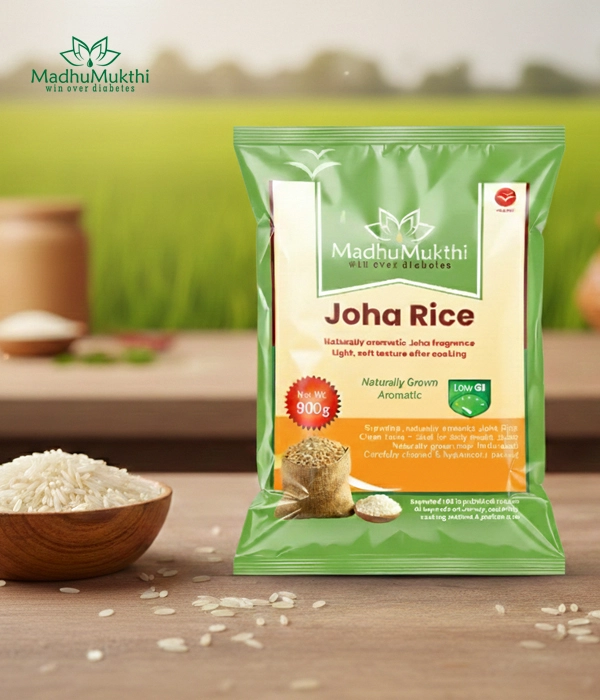
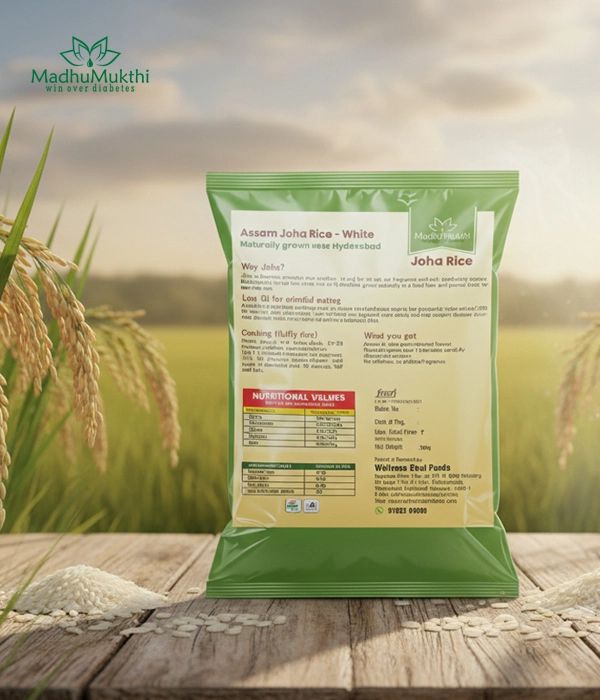
Madhumukthi already provides diabetes rice products, making rice-related educational content a natural topic cluster for the website.
Rather than simply writing “rice is good” or “rice is bad,” the article should explain how people can make informed choices about rice and portion sizes.
Madhumukthi’s Approach to Diabetes Wellness
Madhumukthi focuses on Ayurvedic and wellness-oriented products and publishes educational content related to diabetes, diet and healthy living.
The website currently has a dedicated diabetes blog covering topics such as low-GI foods, millets, exercise, tea, sugar alternatives, stress and fruits for people with diabetes.
Madhumukthi also describes its products as being made with selected natural ingredients and manufactured in FSSAI-approved facilities.
For readers considering an Ayurvedic diabetes-support product, the important information should include:
- Product ingredients
- Intended use
- Directions for use
- Manufacturer information
- Quality information
- Appropriate precautions
- When to consult a healthcare professional
This type of transparency can help users make more informed decisions.
7 Lifestyle Habits That Support Diabetes Management
Ayurvedic products should not be considered separately from everyday lifestyle habits.
1. Eat a Balanced Diet
Focus on nutritious foods, appropriate portions and a variety of food groups.
2. Stay Physically Active
Regular physical activity can support overall metabolic and cardiovascular health.
WHO recommends regular physical activity as an important part of preventing and managing type 2 diabetes.
3. Monitor Blood Glucose
Follow the blood glucose monitoring plan recommended by your healthcare professional.
4. Take Prescribed Medicines Correctly
Do not stop or change prescribed diabetes medicines without medical advice.
5. Maintain a Healthy Weight
For people who are overweight, achieving a healthier weight may support better metabolic health.
6. Get Enough Sleep
Good sleep is an important part of overall health and healthy lifestyle management.
7. Manage Stress
Meditation, breathing exercises, yoga, walking and other healthy stress-management activities may support overall wellbeing.
Frequently Asked Questions
What is the best Ayurvedic medicine for diabetes?
There is no single Ayurvedic medicine that is best for everyone with diabetes. The appropriate approach depends on the individual’s diabetes type, health condition, medicines and treatment plan.
Which Ayurvedic herbs are commonly used for diabetes?
Fenugreek, bitter gourd, Gymnema, Jamun and neem are among the ingredients traditionally discussed in relation to diabetes and metabolic health. Evidence and safety can vary between individual ingredients and formulations.
Can I take Ayurvedic medicine with diabetes tablets?
Do not assume that herbal products are automatically safe with diabetes medicines. Some supplements may affect blood glucose or interact with medicines. Consult your doctor or qualified healthcare professional before combining them.
Can Ayurveda replace insulin?
No. People who require insulin should not stop insulin and replace it with an Ayurvedic product without medical supervision.
Can Ayurveda cure type 2 diabetes?
There is no basis for claiming that an Ayurvedic product provides a guaranteed cure for type 2 diabetes. Some people may achieve remission through appropriate lifestyle changes and medical management, but this requires ongoing monitoring.
Is bitter gourd good for diabetes?
Bitter gourd is a nutritious vegetable traditionally associated with blood sugar management. However, eating bitter gourd is not a substitute for diabetes treatment, and concentrated products should be used cautiously.
Is fenugreek good for diabetes?
Fenugreek has been studied for its potential effects on glucose metabolism and is traditionally used in India. However, evidence varies, and people taking diabetes medication should seek professional advice before using concentrated supplements.
What is the best diet for diabetes?
There is no single diet that is ideal for everyone with diabetes. A suitable eating pattern depends on the person’s medications, health conditions, lifestyle, preferences and goals. A healthcare professional or registered dietitian can provide individualised guidance.